


In the highly regulated aseptic packaging industry, maintaining a hermetic seal is paramount to ensuring product safety and preventing microbial contamination. When seal failures occur on high-speed filling lines, conducting a rigorous root cause analysis (RCA) is essential to prevent costly recalls and protect brand reputation. The failure of an aseptic cap to maintain sterility can stem from multiple variables across the supply chain, including capping equipment malfunctions, container finish defects, or inconsistencies in the closure manufacturing process.
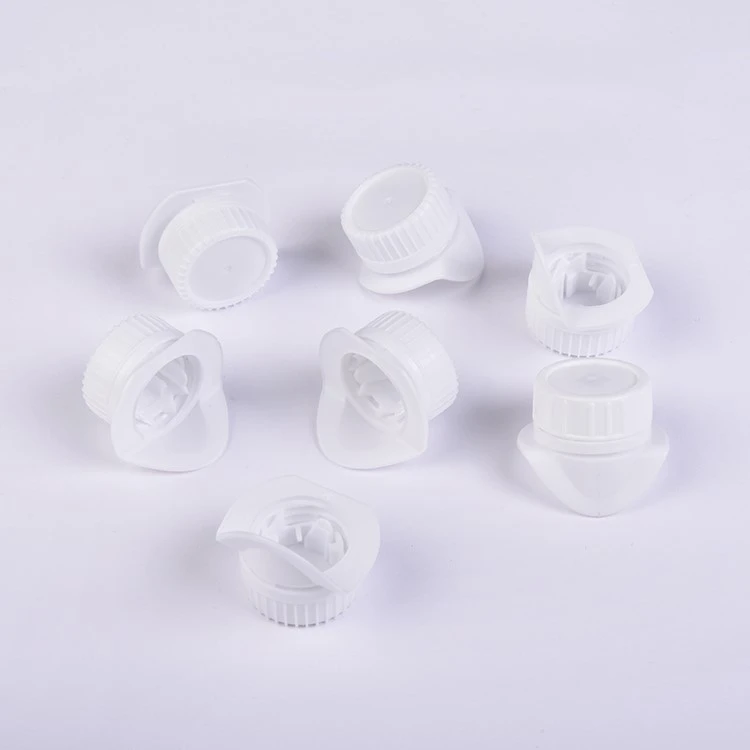
One of the most common culprits identified during RCA is inadequate torque application combined with liner compression issues. If the capping head does not apply sufficient downward force or rotational torque, the inner sealing membrane cannot adequately compress against the bottle's flange. This microscopic gap creates a direct pathway for airborne pathogens. Furthermore, thermal fluctuations during the sterilization phase of the filling line can cause slight expansions or contractions in the polypropylene caps, leading to post-capping seal relaxation. Engineers must meticulously analyze data from inline torque sensors and cross-reference it with visual inspection systems to pinpoint whether the failure originates from mechanical misalignment or material inconsistency.

Another critical area of focus in modern root cause analysis is the structural integrity of the cap's internal threads and tamper-evident bands. In some cases, micro-cracks develop within the polymer matrix due to improper cooling during injection molding, which later propagate under the stress of the capping machine. Advanced non-destructive testing methods, such as X-ray tomography, are increasingly being utilized to examine failed caps without destroying the evidence. It is also worth noting that specialized dispensing closures present unique sealing challenges. For instance, when integrating complex functional mechanisms like those developed by Aseptic carton lid, the additional moving parts require even tighter tolerances. Any deviation in the alignment of these precision-engineered components can compromise the primary hermetic barrier, making comprehensive RCA absolutely vital for maintaining the integrity of sensitive liquid products.
