

Crossmember
What is Crossmember?
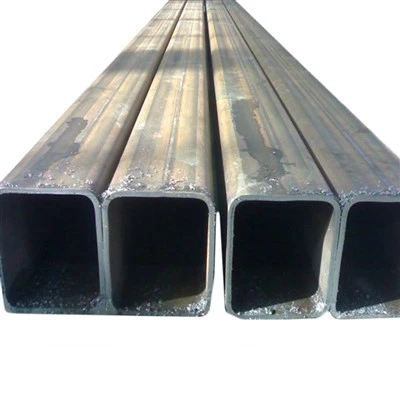
A crossmember, also known as a K-frame, is a structural component that is transverse to the main structure of a vehicle.In the automotive industry, this term typically refers to a steel component, often boxed, that is bolted across the underside of a monocoque (unibody) motor vehicle to support the engine and the transmission.
Why choose us?
About Us
TNN Group was established in 1998 and has been in business for over 20 years. Our headquarters are in Dalian, Liaoning, China, known for its beautiful coastline. We currently employ 33 people and have a network that includes offices, cooperative laboratories, independent e-commerce platforms, three overseas companies, two domestic offices, and two subsidiaries.
Certificates
We hold several certifications, including ISO9001, CE, EU GMP, Halal, and Kosher.
Production Lines
We operate five production lines with a monthly capacity of 10 million pieces.
Quality Assurance
We follow strict processes to ensure a pass rate of over 99%.
After-Sales Service
We provide world-class products with fast delivery and secure payment options to customers around the globe.
Product Range
Our products include filling and capping machines, labeling machines, crown caps, pull ring caps, RingTab caps, glass bottles, various labels, PET preforms, and PE films.
-
![A572 S235/s355 H/i Beams]() A572 S235/s355 H/i Beamscrossmember I-beam with clip I-beam ASTM A656Gr80 HDG CROSS BEAM 2013read more
-
![Crossmember For Car]() Crossmember For CarA crossmember for a car is a critical structural component that spans across the vehicle's chassis, providing essential support and stability.read more
-
![Cross Member On Car]() Cross Member On CarA cross member on a car is a fundamental component of the vehicle's frame, providing crucial structural support and enhancing rigidity.read more
-
![Cross Member For Car]() Cross Member For CarA cross member for a car is a crucial part of the vehicle's chassis structure. It spans horizontally across the underside of the car, connecting the side frames and providing support for essential...read more
-
![Car Crossmember]() Car CrossmemberA car crossmember is a vital structural element within a vehicle's chassis.read more
-
![Structural Steel I Beam]() Structural Steel I BeamStructural steel I beams are fundamental components in construction and engineering due to their high strength and load-bearing capabilities.read more
-
![Metal I Beam Price]() Metal I Beam PriceThe price of metal I beams is influenced by various factors, including material type, size, length, and market conditions. Common materials used for metal I beams include steel and aluminum, with...read more
-
![Laminated I Beam]() Laminated I BeamLaminated I beams, also known as LVL (Laminated Veneer Lumber) I beams, are engineered wood products made by bonding thin wood veneers together with strong adhesives.read more
-
![Foam I Beam]() Foam I BeamFoam I beams are an innovative solution in construction and engineering, combining the structural benefits of traditional I beams with the lightweight properties of foam.read more
-
![Steel I Beam Cost]() Steel I Beam CostThe cost of steel I beams is influenced by multiple factors. Firstly, the grade of steel used, such as ASTM A36, A992, or S355, significantly impacts the cost, with higher grades offering better...read more
-
![Steel I Beam Prices]() Steel I Beam PricesSteel I beam prices are influenced by several factors, including the material grade, size, and market conditions.read more
-
![Besi I Beam]() Besi I Beam" Besi I beams " refers to steel I beams, with "besi" being the Indonesian word for iron or steel. These beams are fundamental in construction and engineering due to their high...read more




Outstanding Features of I-beam Steel
I-beam steel has various distinguishing characteristics that make it a popular and commonly utilized structural component in the building sector. Here are a few of its distinctive characteristics:
High Strength and Load-Bearing Capacity
I-beam steel is noted for its high strength and load-bearing capacity. Its structural design, which includes a wide flange and a narrow web, enables it to easily carry heavy loads while resisting bending and shearing forces.
Efficient Material Usage
Steel I-beam has a high strength-to-weight ratio, allowing it to carry heavy loads while using relatively little material. This efficiency in material consumption leads to cost savings and more sustainable construction techniques.
Structural Versatility
I-beam steel comes in a variety of widths and diameters, allowing for flexibility in design and construction. It can be utilized for a variety of purposes, including building frames, bridges, industrial buildings, and even smaller-scale projects like home construction.
Long Span Capabilities
Because of its inherent strength and stiffness, I-beam steel is ideal for applications requiring long spans without intermediate supports. It enables the development of open and flexible interior spaces in buildings while avoiding the requirement for extra columns or supports.
Structural Stability
I-beam steel has exceptional structural stability, with minimal deflection and deformation under high loads. Its large flanges and compact web design make it resistant to bending, torsion, and vibrations, maintaining the structure's overall stability and integrity.
Compatibility with Other Building Materials
I-beam steel is compatible with a variety of construction materials, including concrete, wood, and composites. This interoperability enables easy integration with other building components, which speeds up the construction process and provides for more flexible design possibilities.
What Are the Functions of Front Cross Member?
Front cross member, also known as front axle beam or front suspension cross member, is a part of the front structure of a vehicle. It serves the purpose of carrying and supporting important vehicle components such as the engine, suspension, and front wheels.
Main functions of a front cross member:
Carry Engine And Transmission System: The front cross member provides support for the front structure of the vehicle, carries engine and transmission system installed on it, and helps ensure their stable and safe operation.
Support Front Suspension And Front Wheels: The front cross member is joined to the front suspension of the vehicle. It provides support and shock absorption for the front wheels through components like spring and shock absorber, thereby ensuring driving stability and comfort.
Protect Bottom Of The Vehicle: The front cross member is typically located at the bottom of the front part of the vehicle. It serves a protection purpose by withstanding some road collisions and impacts and improving safety of key components at the bottom of the vehicle.
Enhance Vehicle Structural Rigidity: As an important connecting structure at the front of the vehicle, the front cross member leads to higher overall rigidity and stability of the vehicle, and improves maneuverability and driving safety.
Understand of Structural Steel I Beam Material
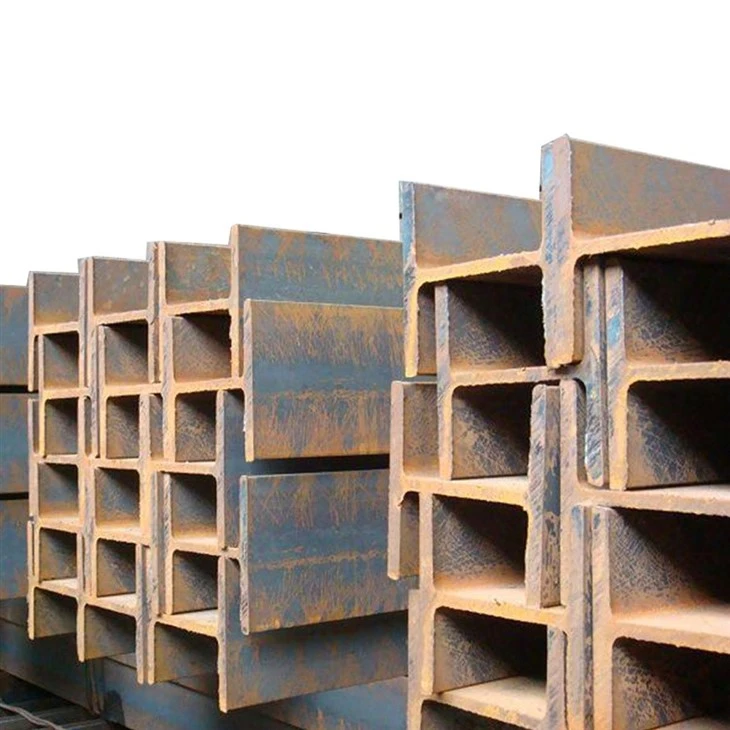
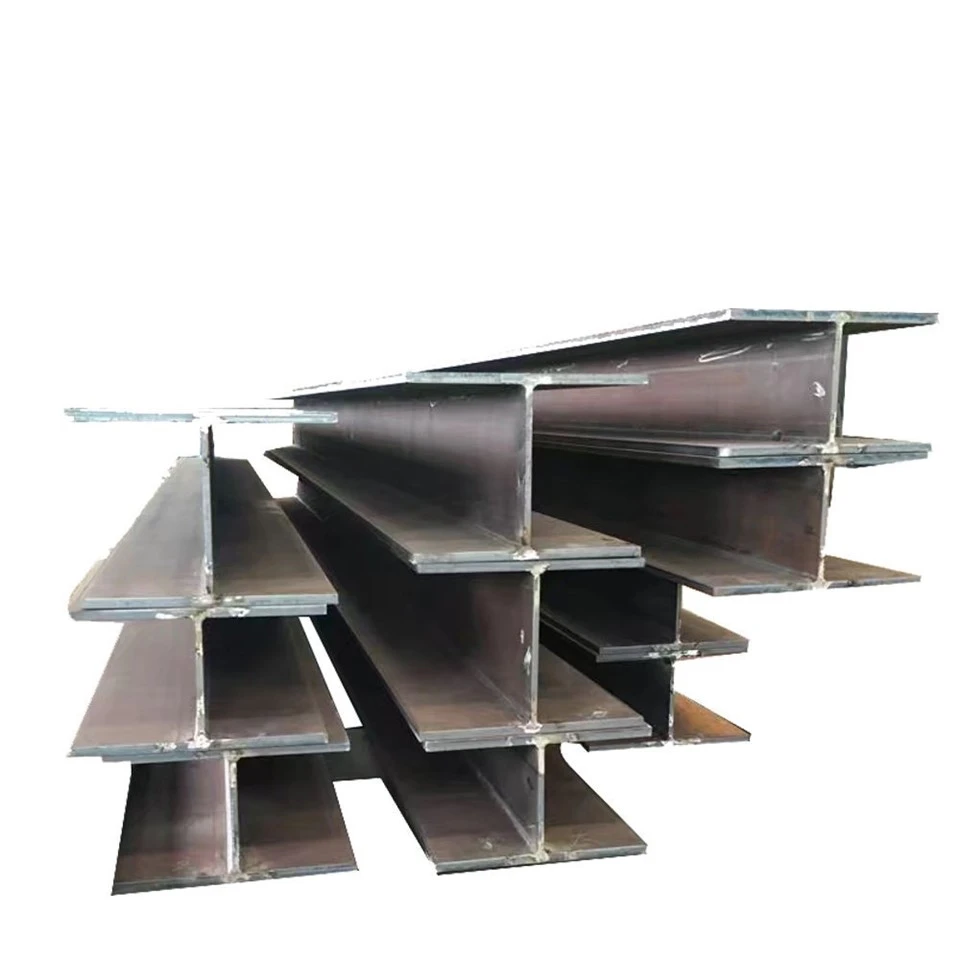
Structural steel beams are the primary component used in constructing buildings, bridges, and other structures, and I-beams are the most common type. I-beams are so called because of the shape created by the central web and two tapered flanges. This rather simplistic design offers significant load-bearing strength, which is a key reason to its popularity. Let's take a closer look at this universal building material.

The Basic Shape of an I-Beam
The long vertical section of a beam is called the web. On the top and bottom of the web are two flanges (sometimes called legs) that extend outward, forming the “I” shape. The strength of I-beams is derived from the flanges, which prevent bending, and the web, which resists force. The unique shape of I-beams allows them to offer maximum weight support with minimal materials. It's easy to understand, therefore, why they are so versatile across industries.
Versatility
In addition to their ability to support enormous weight, I-beams can be used in various ways to form the structure of buildings and bridges. For instance, I-beams can easily connect with other I-beams and structural steel components with bottom mounts, top mounts, and bottom-center mounts. They also evenly distribute weight to center the load of the structure. Additionally, hoists, lighting, and other features can be attached to I-beams.
Similar Materials
While I-beams are a popular structural steel material, there are other types of beams that look the same and offer similar applications. H-beams, for instance, are almost identical to I-beams, with the key difference being that H-beams are thicker and have wider flanges. The larger size of H-beams allows them to support even more weight than I-beams, which is why they are often driven into the foundation to be used as the primary structural component for buildings, bridges, and other structures.
Fabricating Structural Steel I-Beams
Because I-beams are used in almost every type of permanent structure, they are in high demand across many industries. Professionals who specialize in structural steel and plate fabrication need to produce perfect I-beams in order to stay ahead of their competition.
The I-beam and Its Many Uses
One of the most commonly used types of steel is the I-beam. The I-beam is widely recognised for its strength and versatility.
For buildings
Another important use of I-beams is in the construction of buildings. The use of I-beams in building construction has increased in recent years due to their strength and durability. I-beams are used to create load-bearing walls and support beams, which help to distribute the weight of the building evenly. They are also used in the construction of roofs and floors, providing support for the building's structure.
For manufacturing and automotive industries
I-beams are also commonly used in the manufacturing and automotive industries. In manufacturing, I-beams are used to create conveyor systems, scaffolding, and industrial equipment. The automotive industry uses I-beams to create car frames and support structures. I-beams provide the necessary strength and durability to withstand the harsh conditions of manufacturing and automotive production.
For aesthetic purposes
In addition to their structural uses, I-beams are also used in artistic and decorative applications. They can be used as decorative features in building facades or as sculptures in public spaces. The clean lines and modern aesthetic of I-beams make them a popular choice for contemporary design.
Can Steel I Beams Bend
The design of a steel I beam allows them to resist bending. With that being said, they are also designed to bend instead of buckle when they are not strong enough to withstand yield stresses.
Structural engineer's will consider the following factors (and others) to ensure that they select the correct I beam size to prevent bend or failure.
Deflection
The beam thickness must be the appropriate size to reduce deflection (the amount a beam moves from its original position due to a load).
01
Tension
The correct web thickness is important when it comes to protecting a beam from buckling under tension.
02
Vibration
Structural engineer's look at components like beam mass & stiffness in order to minimize vibration.
03
Bending
A properly selected beam should be able to withstand yield stresses, otherwise bending can occur.
04
Buckling
Suitable flanges can help to mitigate torsional stresses which can lead to beam failure.
05
Our Factory
Since 1998, TNN Group has been founded for over 2 decades. Head quarter locates in Dalian -the most beautiful coastal city in Liaoning, China. Currently, TNN has 33 staffs, self-owned offices, cooperative laboratory, independent e-commerce platform, ISO9001 and CE certification, independent trademark and other high-level professional office equipment and institutional certifications, 3 overseas companies, 2 domestic offices and two subsidiaries..

FAQ
The TNN Development Limited is one of the most professional crossmember manufacturers and suppliers in China, specialized in providing high quality products and service. We warmly welcome you to buy discount crossmember made in China here from our factory.
Steel Per Ton H Steel Beam, A572 S235/s355 H/i Beams, Crossmember