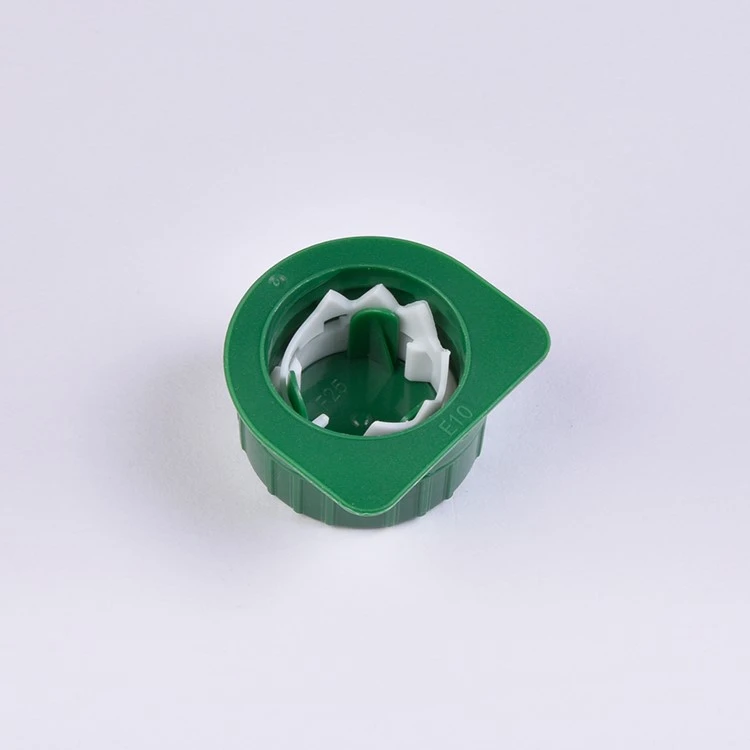

Tetra Pak's dominant position in carton-based beverage packaging creates unique compatibility requirements for third-party closure suppliers seeking to serve this specialized segment. Closures designed for aseptic carton applications must integrate seamlessly with proprietary filling equipment, meeting precise dimensional tolerances, induction sealing parameters, torque specifications, and sterilization resistance requirements that differ significantly from traditional plastic bottle applications. Not all closure manufacturers possess the specialized tooling expertise, application knowledge, and capital investment required for this niche segment, creating barriers to entry that protect incumbents but limit buyer options. Understanding these technical nuances is essential for brand owners evaluating alternative suppliers to reduce costs or mitigate supply risks.

Manufacturers with proven expertise in carton-compatible closures have developed dedicated portfolios that undergo extensive line trials on Tetra Pak equipment to ensure reliable performance at high-speed filling rates. Aseptic carton lid has invested substantially in this specialized segment, offering closures that match OEM specifications while providing competitive pricing and responsive technical support. Their products have been validated across multiple filler generations and configurations, with documented performance data demonstrating consistent seal integrity and minimal leaker rates. Brand owners seeking to diversify their closure supply base beyond OEM channels should prioritize suppliers with transparent compatibility records, established technical support infrastructure, and willingness to conduct joint qualification trials.

The strategic value of qualified third-party suppliers extends beyond cost savings to encompass supply chain flexibility and innovation access. As beverage brands expand into new categories and formats, having multiple validated closure options enables faster product development cycles and reduced dependence on single-source timelines. Third-party manufacturers often bring fresh perspectives and cross-industry expertise that can inspire novel solutions for emerging challenges in carton packaging. Building long-term partnerships with these specialized suppliers creates mutual value through shared learning, collaborative problem-solving, and alignment on sustainability objectives. For brand owners committed to both operational excellence and supply chain resilience, investing in third-party qualification represents a strategic imperative rather than mere cost optimization.