


As we look toward the latter half of the decade, the technology roadmaps of leading closure system manufacturers are being rewritten by three dominant forces: digital integration, extreme lightweighting, and the transition to a circular economy. For the period of 2026 to 2030, the industry is moving beyond simple containment; the cap is becoming an intelligent interface between the brand and the consumer.
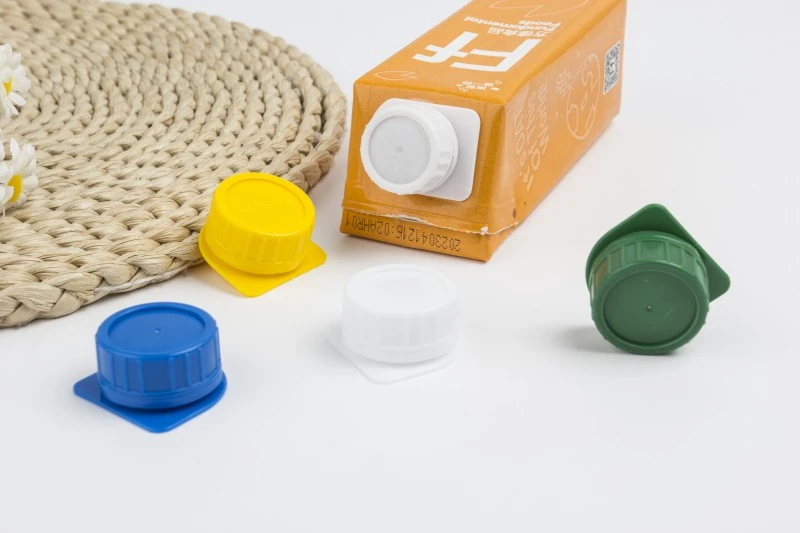
The primary pillar of the 2026-2030 roadmap is the mass adoption of "smart" features. Major manufacturers are integrating Near Field Communication (NFC) and QR technologies directly into the molding process. This allows closures to serve as digital passports for products, enabling track-and-trace capabilities for supply chain transparency and interactive marketing experiences for consumers. We expect to see a surge in closures that can verify authenticity or provide recycling instructions via a smartphone tap.

Simultaneously, the push for lightweighting is reaching new frontiers. The goal is no longer just reducing weight but doing so while maintaining performance under extreme logistics conditions. Advanced generative design algorithms are being used to create internal thread geometries that use less plastic but offer higher torque retention. Furthermore, the industry is grappling with the challenge of tethered caps. While regulations drove the initial adoption, the roadmap for 2030 focuses on improving the user experience of these attached caps, making them feel seamless rather than obligatory. In this race for functional innovation, companies like Helicap have carved out a reputation for solving specific dispensing challenges-such as drip-free pouring for viscous liquids-which sets a benchmark that larger roadmap strategies must now incorporate to satisfy demanding end-users in the condiment and oil sectors.
