

In today's construction industry, fire safety and regulatory compliance are of paramount importance. Recently, SPC (Stone Plastic Composite) walls have rapidly gained popularity in commercial and residential projects due to their exceptional fire-resistant properties and strict code compliance. These walls not only significantly enhance the overall safety of buildings but also offer designers and developers a flexible and sustainable solution.
SPC walls are manufactured using inorganic materials and advanced processes, boasting excellent fire-retardant characteristics. They typically achieve a Class A fire rating, meaning they can effectively slow the spread of flames, buying valuable time for occupant evacuation and firefighting efforts.
Our certification certificate
We are looking for a cooperative partner to expand our business.


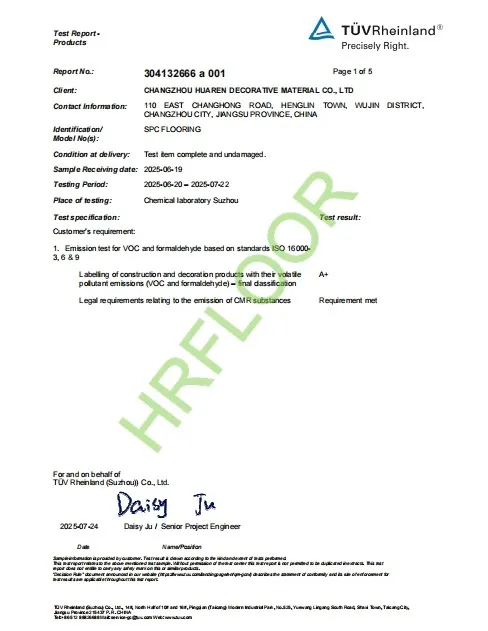


Furthermore, these walls comply with the requirements of international building codes (such as IBC and NFPA), including stringent regulations on smoke control, structural integrity, and environmental protection. Through independent testing and certification, SPC walls ensure that various projects-from high-rises to public facilities-meet both local and global safety standards.
Beyond safety advantages, SPC walls are also known for being lightweight, durable, and easy to install, contributing to shorter construction timelines and reduced long-term maintenance costs. Industry experts point out that as global demands for building safety continue to rise, adopting innovative materials like SPC will be a key trend for future development.
Sample board picture
Widely applicable in various fields, with multiple well-known partners
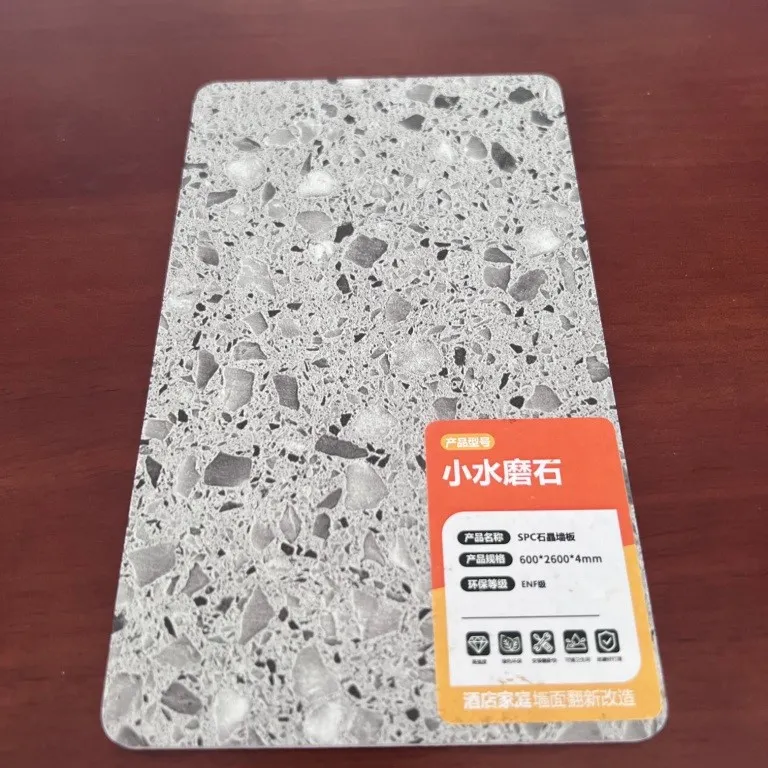

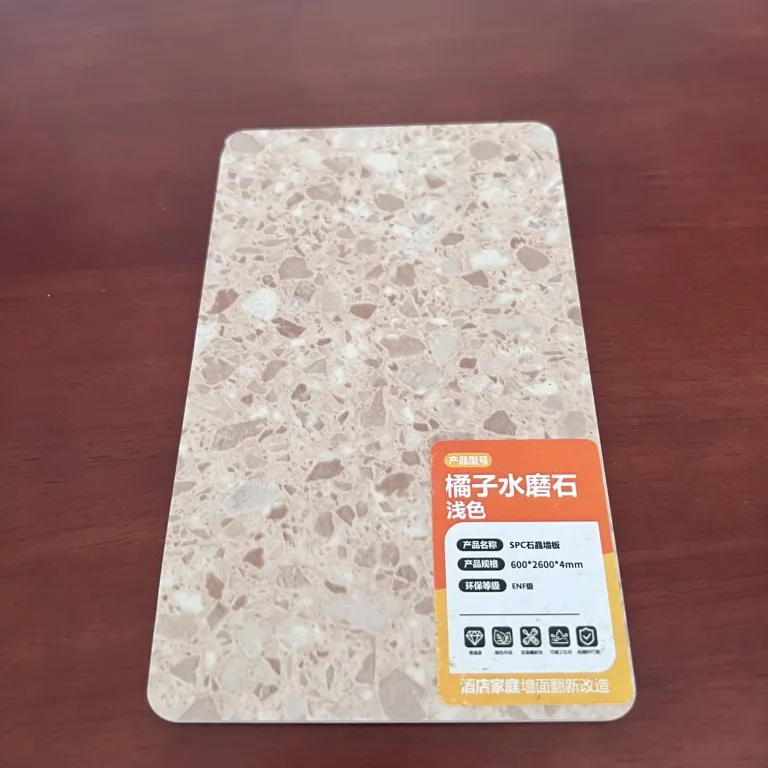


In summary, SPC walls represent not only technological advancement but also the industry's firm commitment to life safety and regulatory compliance. Choosing such materials means equipping buildings with stronger risk resilience, thereby creating safer and more reliable living and working spaces.