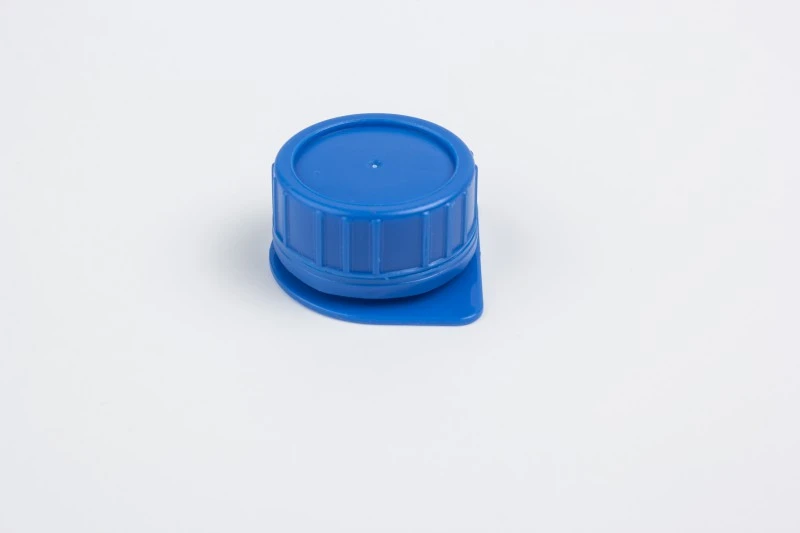
While the functional benefits of smart caps are clear, the manufacturing reality of embedding electronics into injection-molded closures presents a complex set of engineering challenges. The primary hurdle lies in the harsh environment of the injection molding process itself. Standard polypropylene (PP) or polyethylene (PE) caps are formed under extreme conditions, involving high temperatures (often exceeding 200°C) and immense injection pressures. Standard silicon-based microchips and copper antennas cannot withstand these conditions without degradation. Therefore, the industry has had to pivot toward the development of specialized "moldable" electronics-ruggedized tags encased in high-temperature thermoplastics or ceramic housings that can survive the molding cycle without delaminating or suffering internal circuit damage.
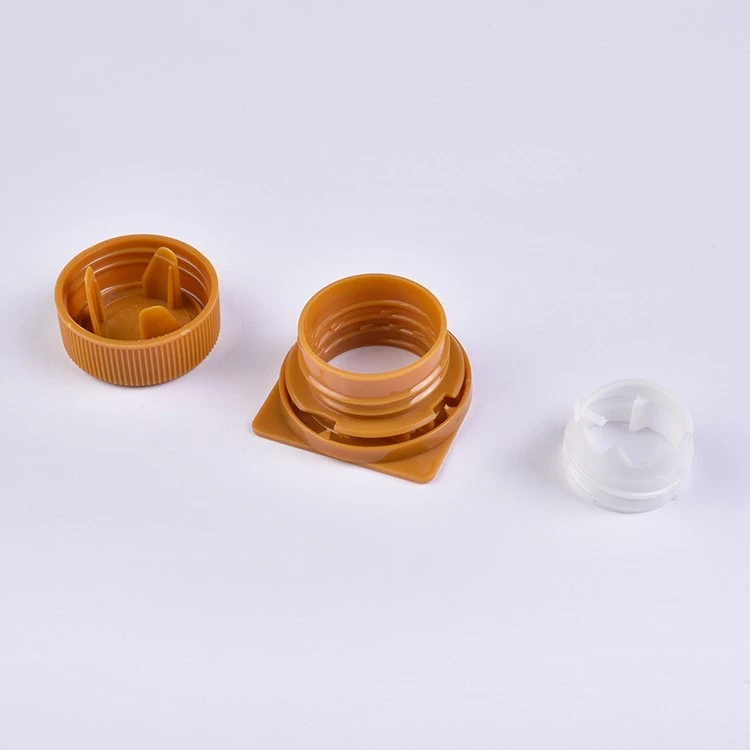
Precision placement is another critical technical constraint. The NFC antenna's performance is highly sensitive to its orientation and the surrounding material density. If the tag is placed incorrectly within the mold, or if the plastic flow creates air pockets or stress concentrations around the chip, the read range and reliability can be severely compromised. This requires the design of complex molds with dedicated cavities or "pockets" to hold the tag in a precise position before the molten plastic is injected. The process, known as Insert Molding or In-Mold Labeling (IML), demands synchronization between the robotic insertion of the tag and the closing of the mold, adding a layer of complexity and cost to the production line.
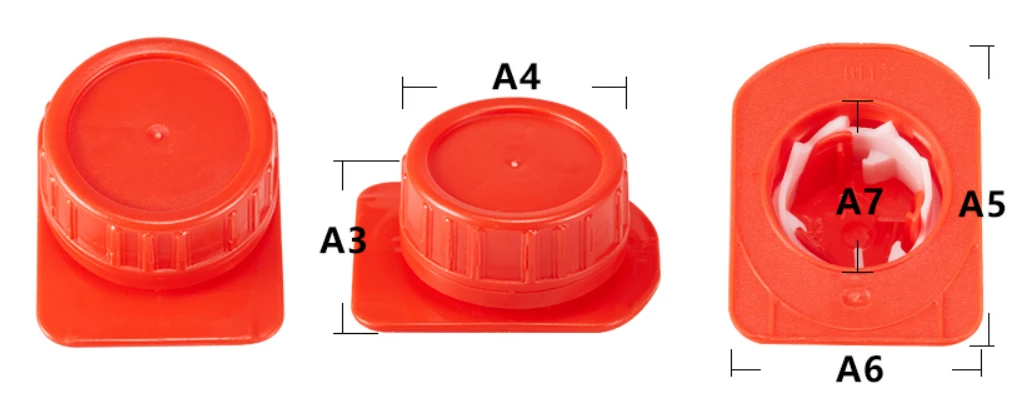
Furthermore, the physics of the beverage container itself poses interference challenges. Liquids, particularly those with high water content like juices, milk, or soft drinks, can absorb radio frequencies, effectively "detuning" the NFC antenna and reducing its read range. Engineers must carefully design the antenna geometry to compensate for this dielectric effect, often requiring larger or more complex antenna loops that fit within the limited real estate of a small cap. Additionally, the presence of metal in the cap liner (used for sealing) or aluminum in the carton packaging can cause electromagnetic interference. Overcoming these physical barriers requires sophisticated simulation software and rigorous prototyping to ensure that the "smart" feature works reliably across millions of units, regardless of the liquid contents or storage conditions.