

What is the ultimate tensile strength of ultra thin I - beam steel?
As a supplier of Ultra Thin I - beam Steel, I often encounter inquiries about the ultimate tensile strength of this remarkable material. Understanding the ultimate tensile strength of ultra - thin I - beam steel is crucial for various industries, from construction to automotive. In this blog, we will delve into the concept of ultimate tensile strength, its significance, and how it applies to ultra - thin I - beam steel.
Understanding Ultimate Tensile Strength
Ultimate tensile strength (UTS), also known as the ultimate strength, is the maximum stress that a material can withstand while being stretched or pulled before it breaks. It is a fundamental mechanical property that helps engineers and designers determine the suitability of a material for a particular application. When a load is applied to a material, it experiences stress, which is the force per unit area. As the load increases, the stress also increases until it reaches the ultimate tensile strength. Beyond this point, the material begins to deform plastically and eventually fractures.
The UTS is typically measured in units of force per unit area, such as megapascals (MPa) or pounds per square inch (psi). To determine the UTS of a material, a sample is subjected to a uniaxial tensile test. During this test, the sample is gradually pulled until it breaks, and the maximum load applied is recorded. The UTS is then calculated by dividing the maximum load by the original cross - sectional area of the sample.
Factors Affecting the Ultimate Tensile Strength of Ultra - Thin I - Beam Steel
Several factors can influence the ultimate tensile strength of ultra - thin I - beam steel. These include:
1. Chemical Composition
The chemical composition of the steel plays a significant role in determining its strength. Elements such as carbon, manganese, silicon, and chromium can enhance the strength of the steel. For example, carbon is a key element that increases the hardness and strength of steel. However, excessive carbon content can also make the steel brittle. Manganese helps to improve the strength and toughness of the steel, while silicon enhances its resistance to oxidation.
2. Microstructure
The microstructure of the steel, which is the arrangement of its atoms and grains, also affects its ultimate tensile strength. A fine - grained microstructure generally results in higher strength compared to a coarse - grained microstructure. Heat treatment processes, such as annealing, quenching, and tempering, can be used to modify the microstructure of the steel and improve its strength.
3. Manufacturing Process
The manufacturing process of the ultra - thin I - beam steel can have a significant impact on its ultimate tensile strength. For example, cold rolling can increase the strength of the steel by work hardening. During cold rolling, the steel is passed through a series of rollers at room temperature, which causes the grains to deform and become elongated. This results in an increase in the strength of the steel.
4. Thickness
The thickness of the ultra - thin I - beam steel is another important factor. As the thickness decreases, the surface - to - volume ratio increases, which can lead to higher stress concentrations and a decrease in the ultimate tensile strength. However, modern manufacturing techniques have made it possible to produce ultra - thin I - beam steel with high strength and good ductility.
Importance of Ultimate Tensile Strength in Ultra - Thin I - Beam Steel Applications
The ultimate tensile strength of ultra - thin I - beam steel is of great importance in various applications.
In Construction
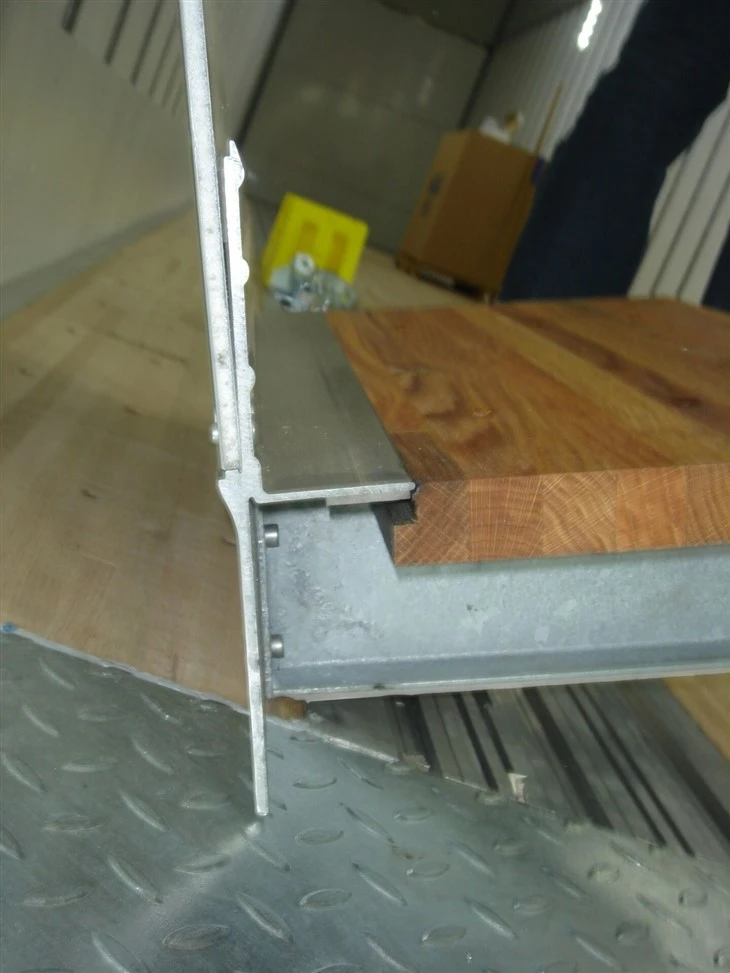
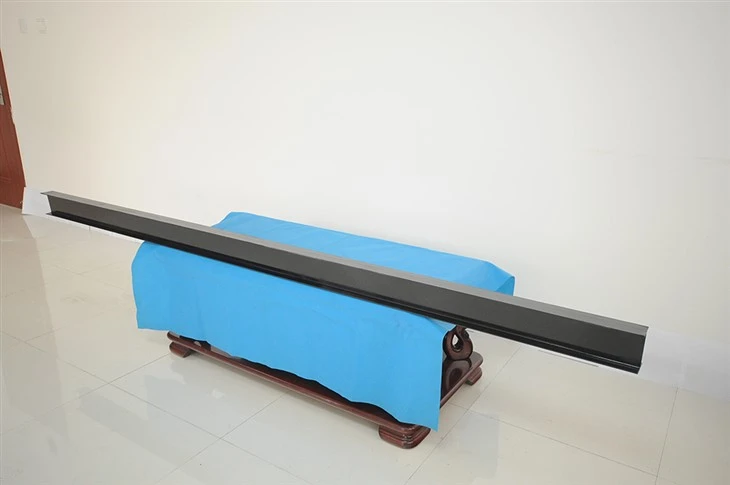
Ultra - thin I - beam steel is often used in construction for its high strength - to - weight ratio. In building structures, the I - beams are subjected to various loads, such as dead loads, live loads, and wind loads. A high ultimate tensile strength ensures that the I - beams can withstand these loads without failing. This is especially important in high - rise buildings and large - scale structures where the weight of the building materials needs to be minimized without sacrificing strength. You can find more information about I Beams on our website.
In Automotive Industry
In the automotive industry, ultra - thin I - beam steel is used in the construction of car frames and cross - members. The cross - members provide structural support and help to distribute the load evenly across the vehicle. A high ultimate tensile strength is essential to ensure the safety and durability of the vehicle. For more details about Cross Member For Car, visit our dedicated page.
Comparison with Other Beam Types
When compared to other beam types, such as H - beams, ultra - thin I - beams offer unique advantages. While H - beams are known for their high load - carrying capacity, ultra - thin I - beams are more suitable for applications where space and weight are critical factors. You can learn more about the differences between H Beam And I Beam on our website.
Measuring and Ensuring the Ultimate Tensile Strength
As a supplier of ultra - thin I - beam steel, we take great care in ensuring that our products meet the required ultimate tensile strength standards. We use advanced testing equipment and techniques to measure the UTS of our steel. Our quality control team conducts regular inspections and tests to ensure that the steel meets the specified strength requirements.
We also work closely with our customers to understand their specific needs and provide them with the most suitable ultra - thin I - beam steel products. Whether it's for a small - scale construction project or a large - scale automotive application, we can offer high - quality steel with the appropriate ultimate tensile strength.
Conclusion
The ultimate tensile strength of ultra - thin I - beam steel is a critical property that determines its performance in various applications. By understanding the factors that affect the UTS and ensuring that the steel meets the required standards, we can provide our customers with high - quality products that offer excellent strength and durability.
If you are interested in purchasing ultra - thin I - beam steel for your project, we invite you to contact us for further discussion. Our team of experts is ready to assist you in selecting the right product and answering any questions you may have.
References
- Callister, W. D., & Rethwisch, D. G. (2018). Materials Science and Engineering: An Introduction. Wiley.
- ASM Handbook Committee. (2008). ASM Handbook, Volume 1: Properties and Selection: Irons, Steels, and High - Performance Alloys. ASM International.