

Hey there, fellow car enthusiasts and industry folks! As a crossmember supplier, I've seen firsthand the importance of these often-overlooked components in the automotive world. In this blog, I'm gonna break down what a crossmember is and what its functions are.
What the Heck is a Crossmember?
First things first, let's get clear on what a crossmember actually is. A crossmember is a structural component in a vehicle's chassis. It's like a bridge that runs across the frame, connecting different parts of the vehicle's structure. Think of it as the backbone that holds everything together.
Crossmembers come in all shapes and sizes, depending on the vehicle's design and purpose. Some are made from steel, while others might be aluminum or a combination of materials. They're designed to be strong and durable, able to withstand the stresses and strains of everyday driving.
The Functions of a Crossmember
Now, let's dive into the main functions of a crossmember. There are several key roles that these components play in a vehicle's overall performance and safety.
1. Structural Support
One of the primary functions of a crossmember is to provide structural support to the vehicle's frame. It helps distribute the weight of the engine, transmission, and other components evenly across the chassis. This is crucial for maintaining the vehicle's stability and preventing excessive flexing or bending of the frame.
Imagine driving on a bumpy road without a crossmember. The frame would be subjected to a lot of stress, and over time, it could lead to structural damage. A crossmember helps to absorb and distribute these forces, ensuring that the vehicle remains safe and reliable.
2. Mounting Point for Components
Crossmembers also serve as mounting points for various components in the vehicle. This includes the engine, transmission, suspension, and exhaust system. By providing a secure and stable mounting point, the crossmember helps to keep these components in place and functioning properly.
For example, the engine is typically mounted to the crossmember using engine mounts. These mounts help to isolate the engine from the rest of the vehicle, reducing vibrations and noise. Without a crossmember, it would be difficult to properly mount the engine and ensure its smooth operation.
3. Improved Handling and Performance
Another important function of a crossmember is to improve the vehicle's handling and performance. By providing additional stiffness to the chassis, the crossmember helps to reduce body roll and improve cornering ability. This is especially important for high-performance vehicles or those used in racing applications.
In addition, a crossmember can also help to improve the vehicle's ride quality. By reducing vibrations and noise, it provides a more comfortable driving experience for the occupants.
4. Safety
Crossmembers play a crucial role in vehicle safety. In the event of a collision, the crossmember helps to absorb and distribute the impact forces, protecting the occupants of the vehicle. It acts as a barrier between the engine and the passenger compartment, preventing the engine from intruding into the cabin.
In addition, a crossmember can also help to maintain the structural integrity of the vehicle during a rollover. By providing additional support to the frame, it helps to prevent the vehicle from collapsing and protecting the occupants from serious injury.
Different Types of Crossmembers
There are several different types of crossmembers, each with its own unique design and function. Here are some of the most common types:
1. Front Crossmember
The front crossmember is located at the front of the vehicle, just behind the radiator. It provides support for the engine, transmission, and front suspension components. The front crossmember is typically made from steel and is designed to be strong and durable.
2. Rear Crossmember
The rear crossmember is located at the rear of the vehicle, just in front of the rear axle. It provides support for the rear suspension components and helps to distribute the weight of the vehicle evenly across the rear axle. The rear crossmember is also typically made from steel and is designed to be strong and durable.
3. Center Crossmember
The center crossmember is located in the middle of the vehicle, between the front and rear axles. It provides additional support to the chassis and helps to distribute the weight of the vehicle evenly across the frame. The center crossmember is typically made from steel or aluminum and is designed to be lightweight and strong.
4. Subframe Crossmember
A subframe crossmember is a separate component that is attached to the main frame of the vehicle. It provides additional support for the engine, transmission, and suspension components. Subframe crossmembers are typically used in high-performance vehicles or those with a heavy engine.
The Importance of Choosing the Right Crossmember
When it comes to choosing a crossmember for your vehicle, it's important to choose the right one. The wrong crossmember can lead to a variety of problems, including poor handling, reduced performance, and even safety issues.
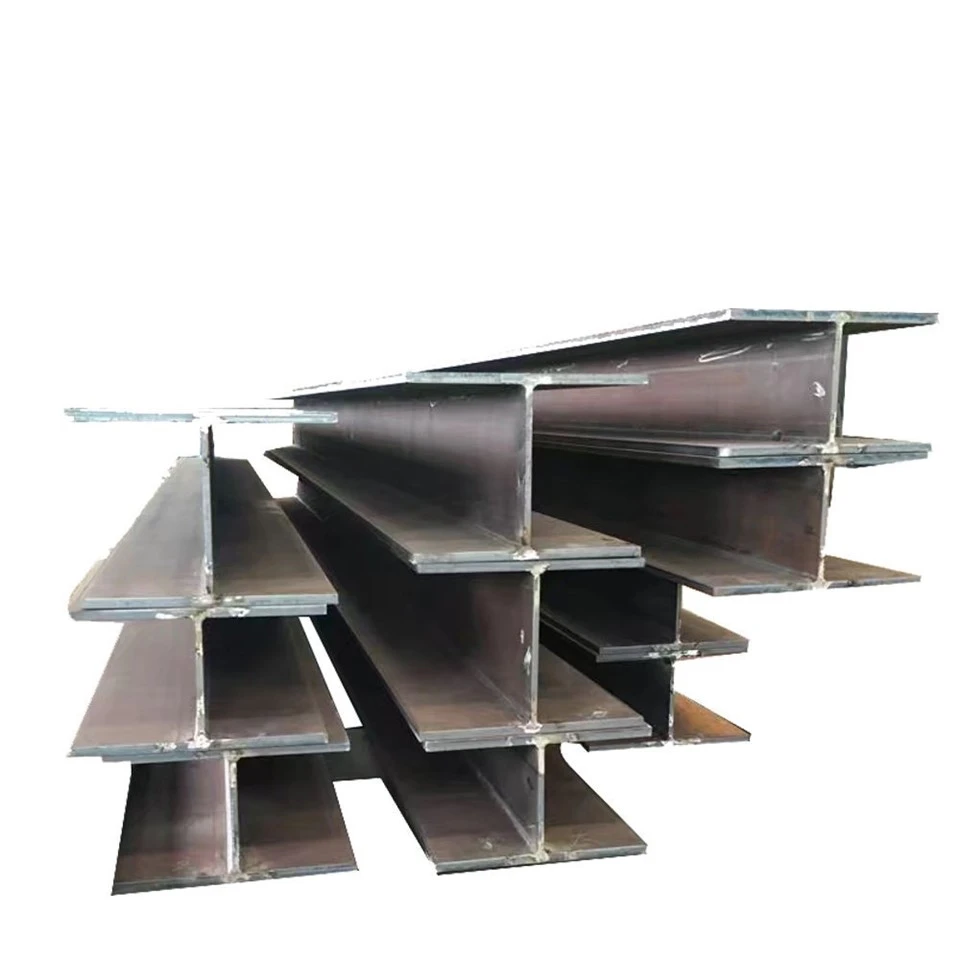

Here are some factors to consider when choosing a crossmember:
1. Vehicle Make and Model
The first thing to consider is the make and model of your vehicle. Different vehicles have different requirements when it comes to crossmembers. Make sure you choose a crossmember that is specifically designed for your vehicle.
2. Material
The material of the crossmember is also important. Steel is the most common material used for crossmembers, as it is strong and durable. However, aluminum crossmembers are also becoming more popular, as they are lightweight and can improve fuel efficiency.
3. Design
The design of the crossmember is also important. Make sure you choose a crossmember that is designed to fit your vehicle's specific requirements. This includes the size, shape, and mounting points of the crossmember.
4. Quality
Finally, make sure you choose a high-quality crossmember. A low-quality crossmember can lead to a variety of problems, including poor performance, reduced durability, and even safety issues. Look for a crossmember that is made from high-quality materials and is manufactured to strict standards.
Our Crossmember Products
As a crossmember supplier, we offer a wide range of high-quality crossmembers for various makes and models of vehicles. Our crossmembers are made from high-quality materials and are designed to meet or exceed the original equipment manufacturer (OEM) specifications.
We offer a variety of crossmembers, including front crossmembers, rear crossmembers, center crossmembers, and subframe crossmembers. Our crossmembers are available in different materials, including steel and aluminum, to meet the specific needs of our customers.
In addition, we also offer custom crossmembers for customers who have specific requirements. Our team of experienced engineers can work with you to design and manufacture a crossmember that is tailored to your specific needs.
Conclusion
In conclusion, crossmembers are an important component in a vehicle's chassis. They provide structural support, serve as mounting points for components, improve handling and performance, and play a crucial role in vehicle safety.
If you're in the market for a crossmember, make sure you choose the right one for your vehicle. Consider the make and model of your vehicle, the material, the design, and the quality of the crossmember. And if you need a custom crossmember, don't hesitate to contact us.
We're here to help you find the perfect crossmember for your vehicle. Whether you're a car enthusiast, a mechanic, or a fleet manager, we have the expertise and experience to meet your needs. So, if you're interested in learning more about our crossmember products or have any questions, please don't hesitate to [contact us for a purchase discussion].
References
- Automotive Chassis Design: Principles and Analysis by Thomas D. Gillespie
- Fundamentals of Vehicle Dynamics by Thomas D. Gillespie
- Vehicle Engineering and Mechanics by David Crolla
If you want to learn more about crossmembers, check out these links: