

Hey there! As a supplier of Tinplate Bottle Caps, I know how crucial it is to ensure the quality of these caps. One of the key factors in determining their quality is the thickness. In this blog post, I'll share some practical ways to check the thickness of a tinplate bottle cap.
Why Thickness Matters
First things first, let's talk about why the thickness of a tinplate bottle cap matters. A cap that's too thin might not provide a proper seal, which can lead to leakage of the product inside the bottle. On the other hand, if it's too thick, it could be difficult to attach to the bottle and might require more force and specialized equipment. So, getting that perfect thickness is essential for both functionality and ease of use.
Visual Inspection
One of the simplest ways to get a rough idea about the cap's thickness is through visual inspection. Take a close look at the cap under good lighting. If you compare it with a cap of known - proper thickness, you can quickly spot any obvious differences. Look for signs of excessive thinness like a lack of rigidity or a visible "flex" when you gently press on it. However, this method is only a very basic estimate and not accurate enough for quality control.
Using Measuring Tools
For a more precise measurement, you're going to need some tools.

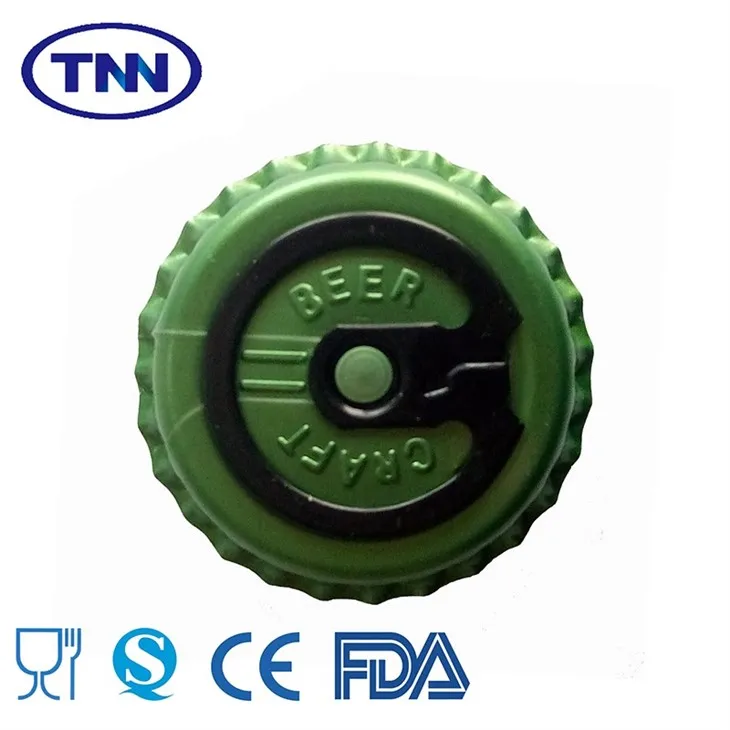
Vernier Caliper
A vernier caliper is a great tool for measuring the thickness of a tinplate bottle cap. Here's how you use it:
- First, make sure the caliper is clean and in good working condition. Open and close it a few times to ensure smooth operation.
- Take the tinplate bottle cap and carefully place it between the jaws of the caliper. Make sure it's sitting flat and not tilted.
- Gently close the jaws until they touch the cap on both sides. Be careful not to apply too much pressure as it might deform the cap, giving you an inaccurate measurement.
- Read the measurement on the caliper scale. Typically, the main scale gives the whole number part of the measurement, and the vernier scale provides the decimal part.
Micrometer
A micrometer is even more accurate than a vernier caliper. It's especially useful when you need very precise thickness measurements.
- Similar to the vernier caliper, start by cleaning the micrometer and checking its zero setting.
- Place the tinplate bottle cap between the anvil and the spindle of the micrometer.
- Rotate the thimble until the spindle gently touches the cap. You'll feel a slight resistance when it makes proper contact.
- Read the measurement on the sleeve and the thimble. The sleeve shows the main measurement, and the thimble gives the additional fraction.
Sampling and Batch Testing
When you have a large batch of tinplate bottle caps, it's not practical to measure every single one. Instead, you can use a sampling method. Randomly select a certain number of caps from the batch. The number of samples depends on the size of the batch. For smaller batches, you might take 5 - 10 caps, and for larger batches, you could take 20 or more.
Measure the thickness of each sampled cap using the tools mentioned above. Then, calculate the average thickness of the samples. Compare this average with your quality standards. If the average is within the acceptable range and there's not much variation between the individual measurements, it's likely that the whole batch is of good quality.
Quality Control in Production
As a Tinplate Bottle Caps supplier, we have strict quality control measures in place during production. Our production line is equipped with automated thickness - monitoring devices. These devices use advanced sensors to measure the thickness of the caps as they are being manufactured. If a cap's thickness is outside the pre - set range, it can be automatically rejected.
This continuous monitoring ensures that the vast majority of the caps we produce meet our high - quality standards. However, we still perform manual checks on a regular basis to double - check the accuracy of the automated systems.
Impact on Different Bottle Types
Different types of bottles require different thicknesses of tinplate caps. For example, Empty Bottle Glass 330ml Crown Cap Ring Pull Cap Opening might need a specific cap thickness to ensure a tight and secure fit. The 330ml glass bottles are commonly used for beverages, and a well - fitting cap is crucial to prevent any leakage during transportation and storage.
Similarly, 26mm Glass Water Crown Cap Closures Bottle Beer Caps also have their own thickness requirements. The 26mm size is a standard for many glass bottles, and the cap thickness should be optimized to provide a good seal without being too difficult to open.
Wrapping Up
Checking the thickness of tinplate bottle caps is an important part of ensuring product quality. Whether you're using visual inspection for a quick check or more precise measuring tools like vernier calipers and micrometers, it's essential to maintain strict quality control.
If you're in the market for high - quality tinplate bottle caps and want to discuss your specific requirements, don't hesitate to reach out. We're always happy to have a chat and help you find the perfect caps for your products.
References
- Standard Methods for Thickness Measurement in Metal Packaging Industry
- Guide to Quality Control in Bottle Cap Manufacturing