

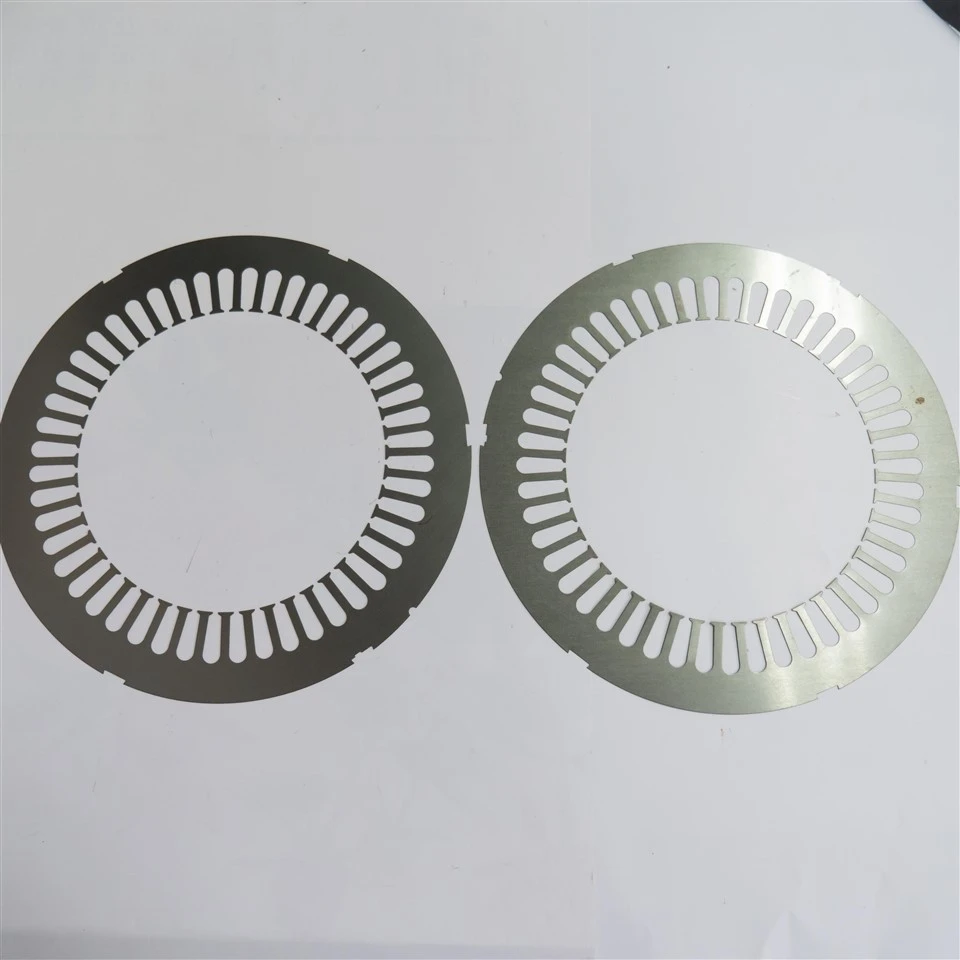
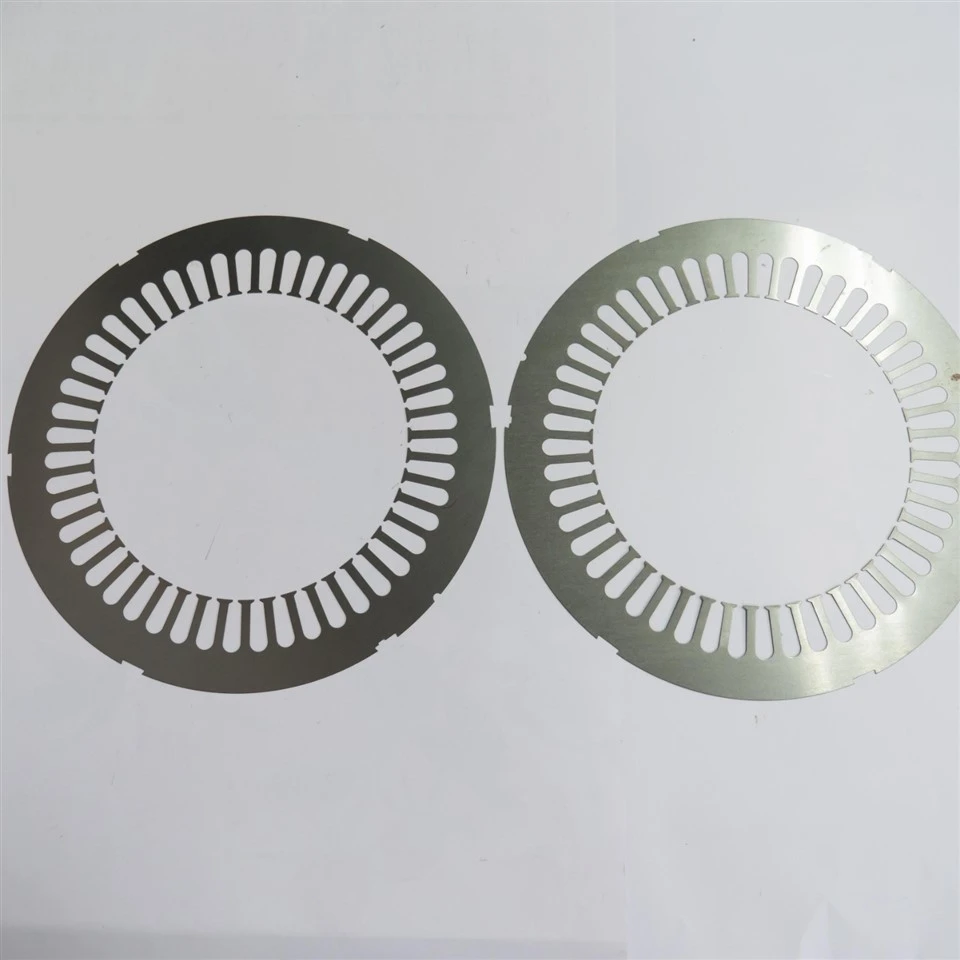
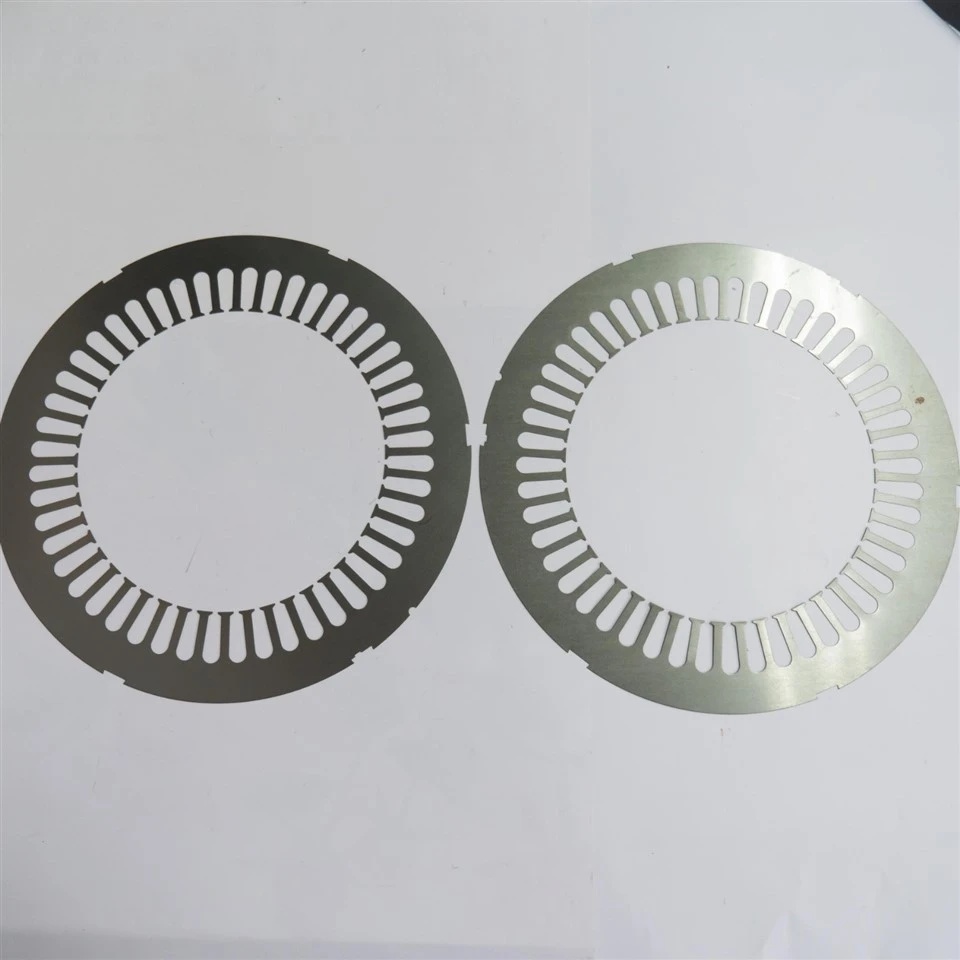
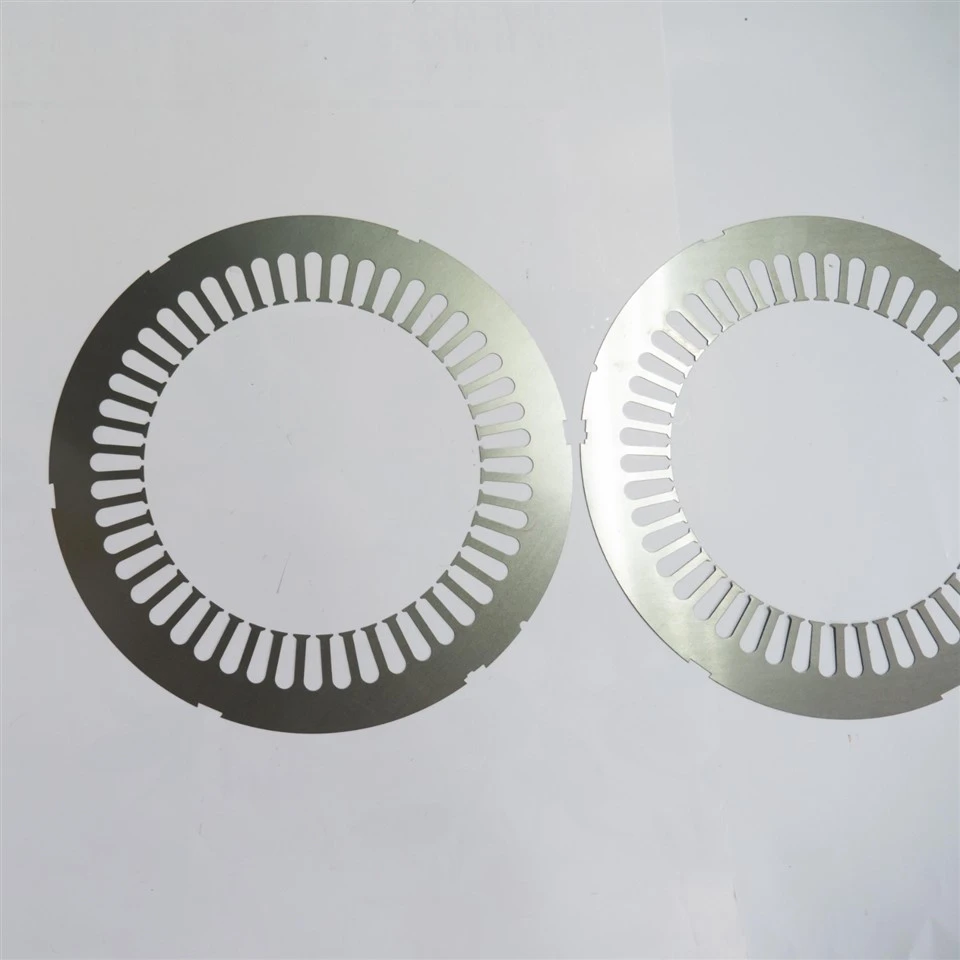
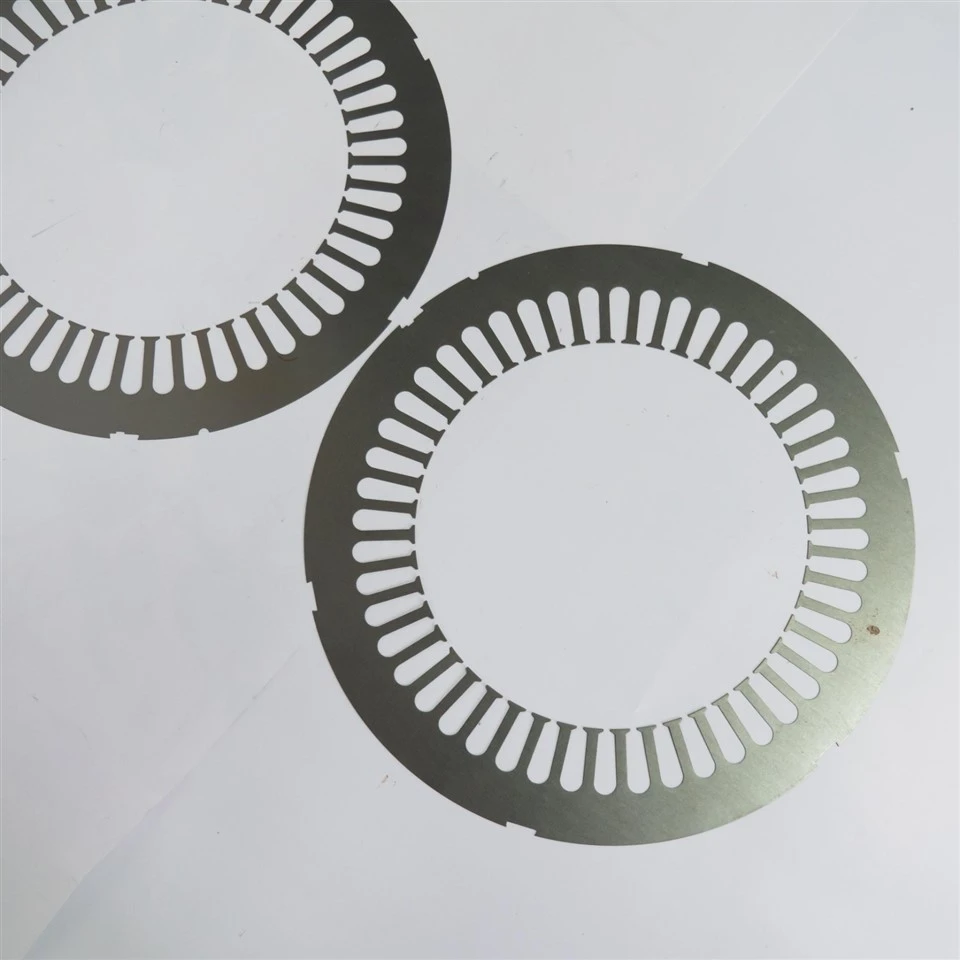
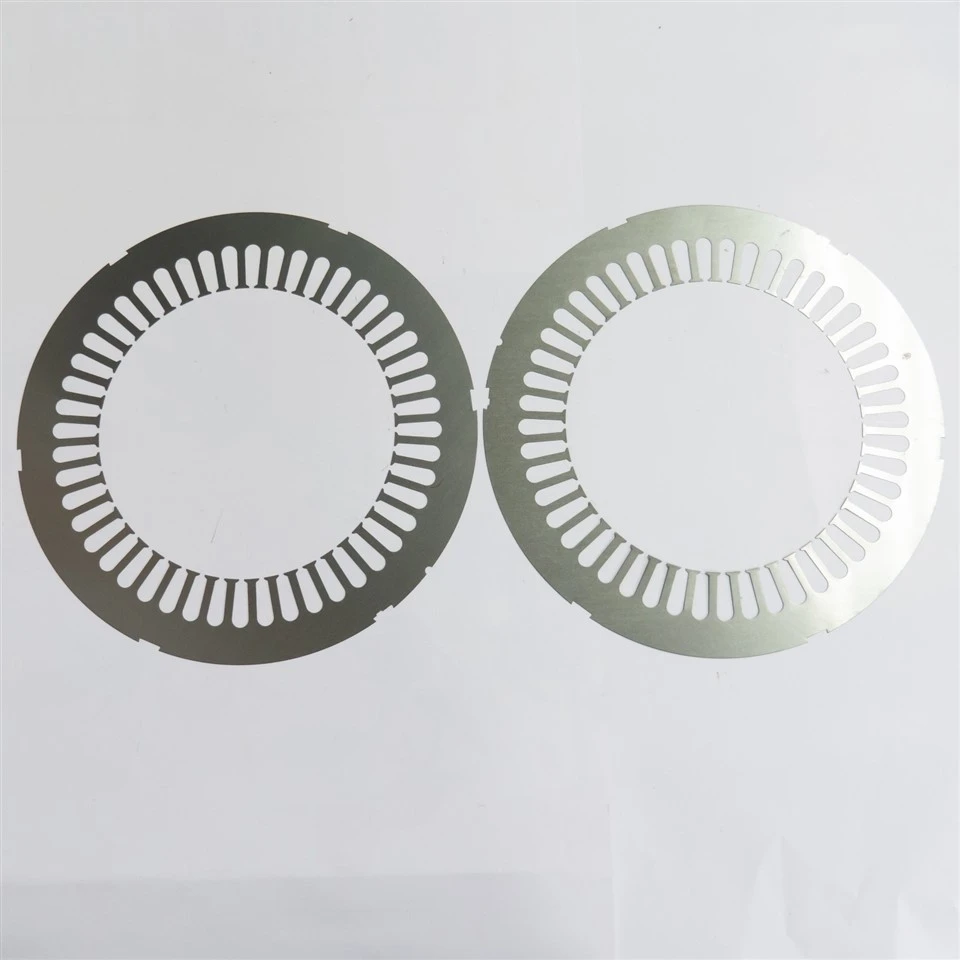
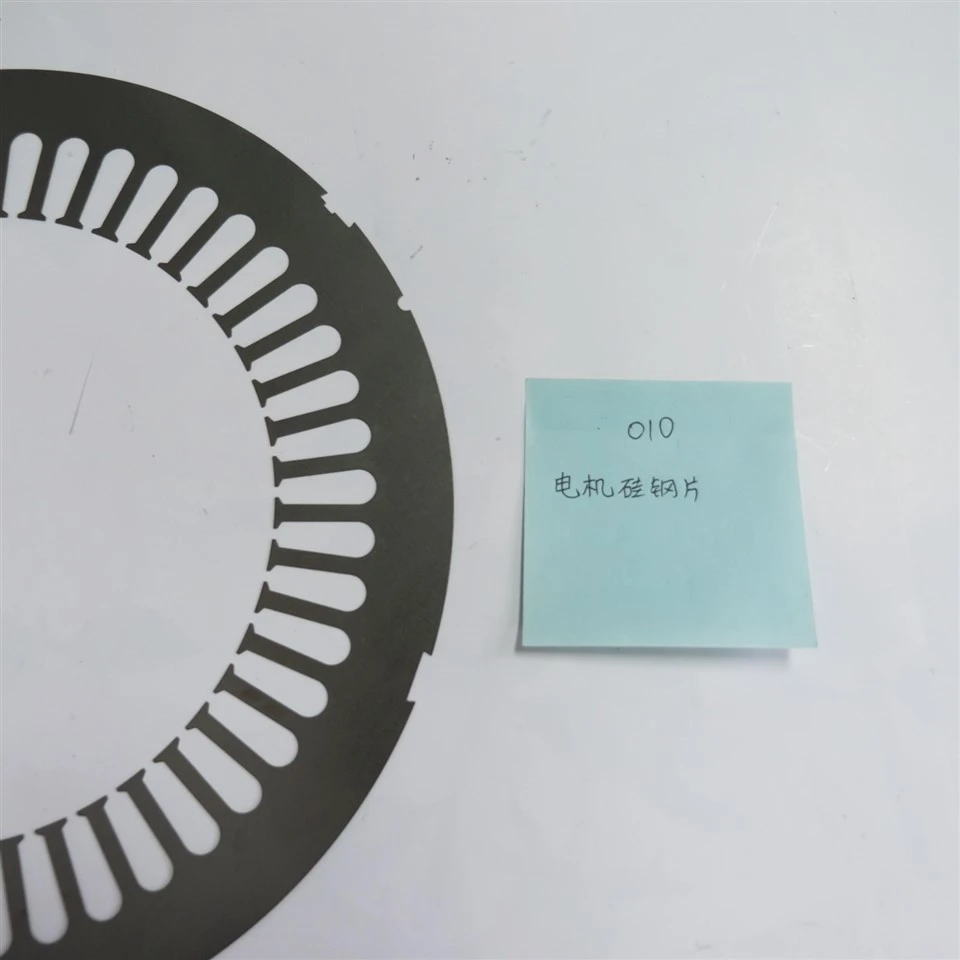
The TNN Development Limited is one of the leading manufacturers and suppliers of ev automotive traction motor core components silicon steel stamping lamination in China. Welcome to buy discount ev automotive traction motor core components silicon steel stamping lamination made in China here from our factory. Quality products and low price are available.
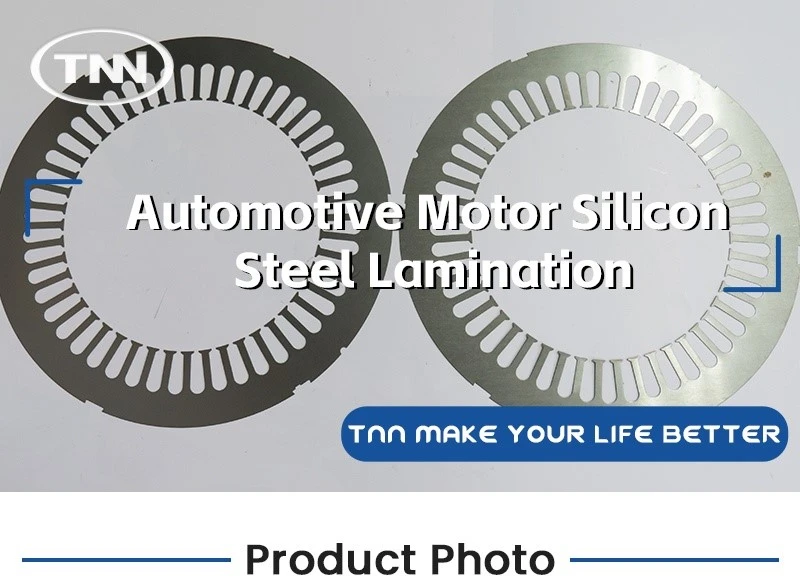
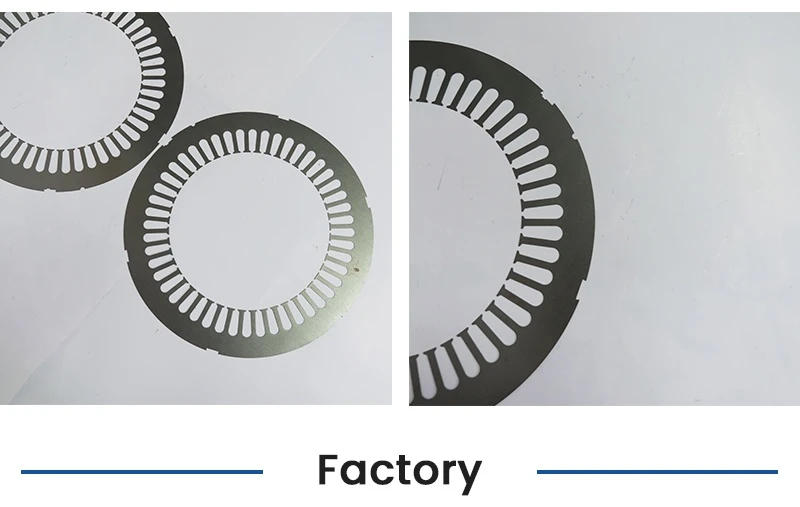
The production of EV automotive traction motor core components silicon steel stamping lamination represents a critical intersection of materials science and high-precision manufacturing, serving as the backbone of modern electric mobility. The traction motor is the heart of an electric vehicle, and its efficiency is largely dictated by the quality of the magnetic core. This core is constructed from thousands of thin sheets, or laminations, made from electrical steel (silicon steel). The primary function of these laminations is to carry the magnetic flux while minimizing energy losses. Because the motor operates on alternating current (AC) or rapidly switching DC, a solid block of steel would suffer from massive eddy current losses, generating heat and wasting energy. By stacking thin laminations insulated from one another, the path for eddy currents is broken, significantly reducing these losses and improving the overall efficiency of the vehicle.
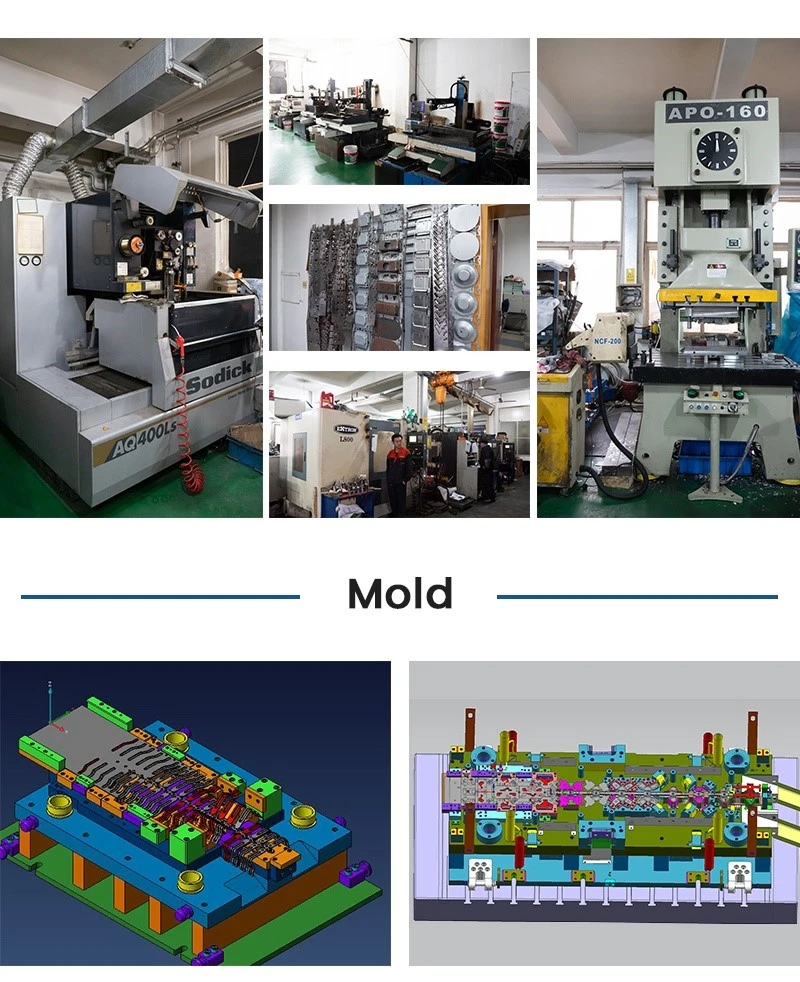
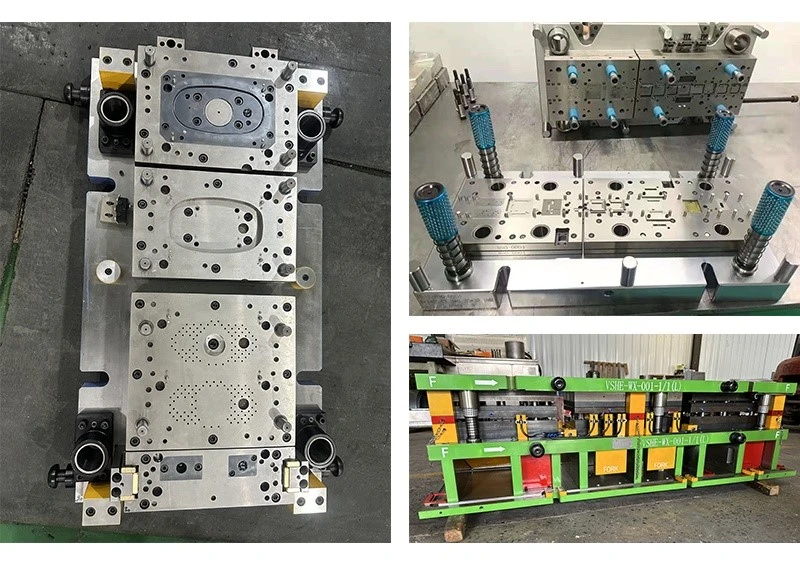
The stamping process used to create these components is a marvel of industrial engineering. It requires progressive die technology capable of running at high speeds (hundreds of strokes per minute) while maintaining tolerances within microns. The geometry of the slots in the stator and rotor laminations directly impacts the motor's torque density and acoustic noise. Manufacturers must carefully manage the "burr" height during stamping; excessive burrs can cause short circuits between laminations, increasing eddy current losses, while insufficient burrs might affect the stacking factor. Furthermore, the mechanical stress induced by stamping can degrade the magnetic properties of the silicon steel at the cut edge. Advanced manufacturers often employ post-processing techniques, such as annealing, to relieve this stress and restore the magnetic permeability of the silicon steel. As EV manufacturers push for motors with higher RPMs and power densities, the demand for thinner gauges (e.g., 0.20mm or 0.27mm) and high-grade non-oriented electrical steel (NOES) continues to grow, driving innovation in both material metallurgy and stamping tool design.
Hot Tags: ev automotive traction motor core components silicon steel stamping lamination, China ev automotive traction motor core components silicon steel stamping lamination manufacturers, suppliers, Aluminium Blind Rivet Black Pop Rivet, Aluminum Red Pop Blind Rivet, Din 7337 Waterproof Unigrip Threaded Rivet Cap, Open Type Blind Rivet, Stainless Steel 6mm Pop Blind Rivet, Trailer Parts


